When Football Spreads Meet Slot Reels: The Mechanics of Mobile Payment Bridges in Dual-Purpose Apps
Xander Franke · Sep 13, 2026
When Football Spreads Meet Slot Reels: The Mechanics of Mobile Payment Bridges in Dual-Purpose Apps
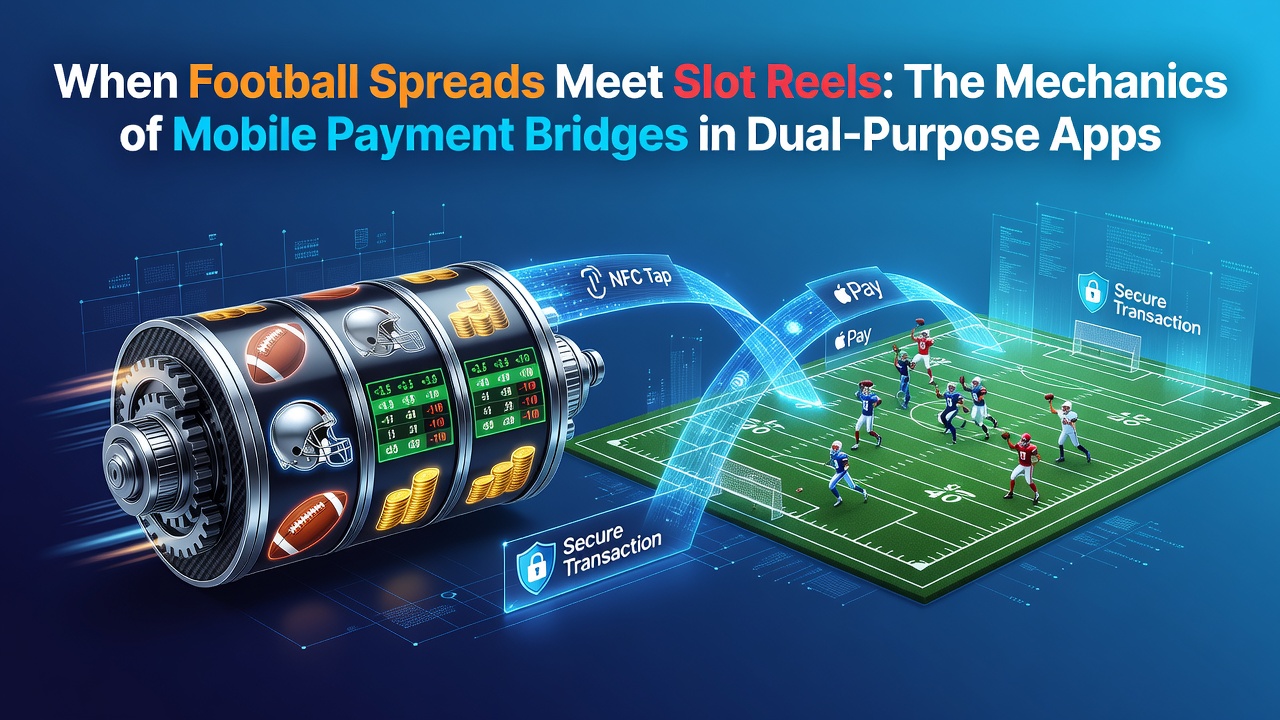
Applications that combine NFL spread wagering with slot reel gameplay rely on integrated payment systems to move funds between distinct account ledgers without requiring separate user logins or external transfers, and these bridges operate through standardized APIs that connect sports betting modules to casino engines in real time. Data from platform operators shows that transaction requests trigger simultaneous updates across both environments, with settlement times often measured in milliseconds during live events.
Core Architecture of Payment Bridges
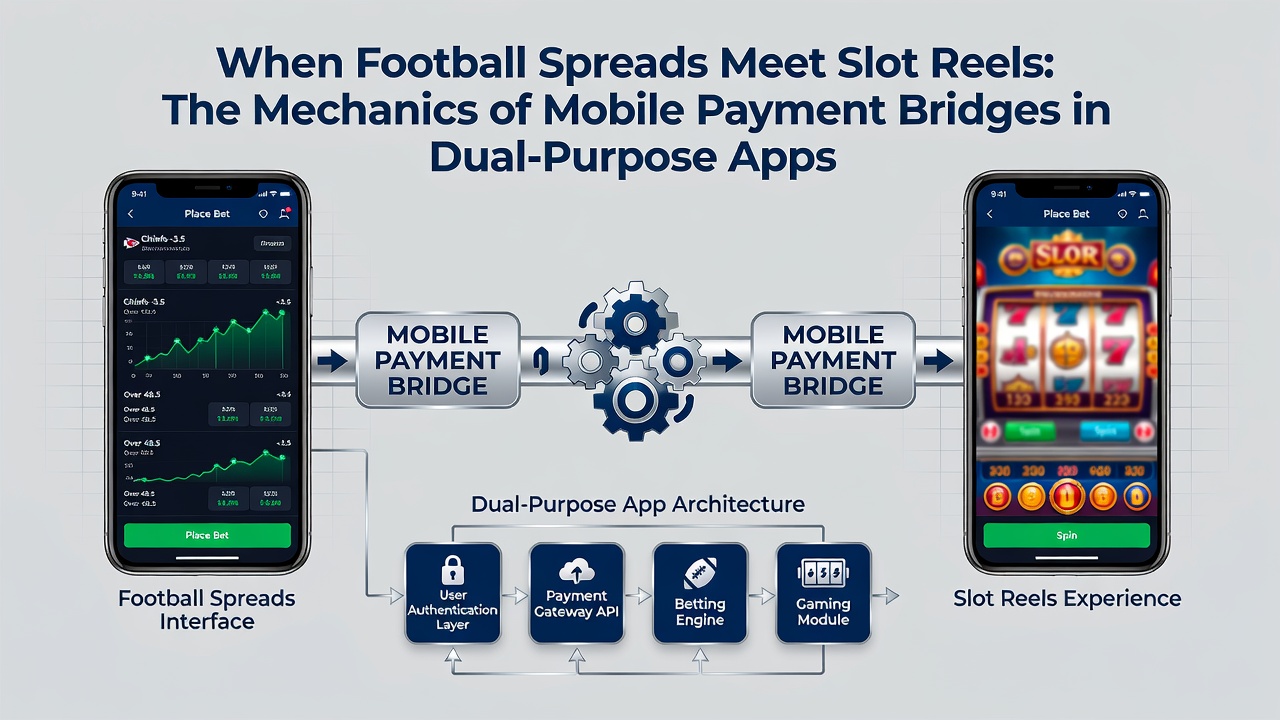
Developers structure dual-purpose apps around a central payment gateway that maintains separate balance records for sports wagers and casino play while allowing authorized shifts between them, and this setup uses token-based authentication to verify each movement against regulatory limits set by state authorities. Processors such as those certified under PCI DSS standards handle the data flow, routing requests through encrypted channels that log every transfer with timestamps and user identifiers for audit purposes.
Engineers implement event listeners that detect when a spread bet settles or a slot session ends, then queue the resulting balance change for immediate reflection in the linked casino or sports wallet, while asynchronous processing prevents delays during high-volume periods such as Sunday afternoon NFL windows. Industry reports indicate that these listeners reduce reconciliation errors by cross-checking outcomes against official league data feeds before releasing funds.
Real-Time Syncing and Ledger Management
Systems maintain dual ledgers that update through bidirectional API calls, so a winning football spread automatically credits the casino balance without manual intervention, and the same pathway reverses when slot winnings feed back into live betting accounts. Observers note that database sharding techniques isolate sports and casino data for compliance yet permit controlled cross-access via permissioned endpoints.
September 2026 brought expanded testing of unified wallet protocols in several U.S. jurisdictions, where operators demonstrated seamless movement between NFL prop bets and slot progressives using standardized JSON payloads that carry metadata on wager type and bonus eligibility. These tests revealed average transfer latencies under 200 milliseconds across major carrier networks.
Regulatory and Security Frameworks
State gaming agencies require that payment bridges incorporate geofencing checks and identity verification at each transfer point, ensuring activity stays within licensed boundaries, and operators integrate these controls directly into the transaction pipeline rather than as after-the-fact reviews. New Jersey Division of Gaming Enforcement documentation outlines mandatory logging of all cross-module movements for a minimum of five years, with automated flagging of patterns that exceed daily thresholds.
Security protocols include end-to-end encryption plus tokenization of payment credentials so that neither the sports nor casino module stores full card details, while fraud detection layers analyze velocity and device fingerprints before authorizing any bridge transaction. Researchers at the University of Nevada, Las Vegas have documented how these layered defenses lowered unauthorized transfer incidents across monitored platforms between 2024 and 2026.
Integration with Bonus and Reward Systems
Payment bridges frequently serve as the conduit for bonus triggers, where a completed NFL spread wager meeting specific criteria automatically generates a casino credit token that appears in the slot interface, and the reverse occurs when reel outcomes unlock sports betting incentives. Developers code these triggers into the same API calls that handle balance updates, reducing separate processing overhead.
Platform analytics show that reward redemptions routed through these bridges maintain consistent conversion rates regardless of whether the originating activity was a live spread or a base game spin, provided the transaction complies with jurisdictional wagering requirements. Operators coordinate these flows with third-party providers to ensure bonus values align with both sports and casino rule sets.
Conclusion
Mobile payment bridges in dual-purpose apps function through tightly coupled APIs and ledger systems that enable direct movement between football spread activity and slot reel sessions while meeting security and regulatory standards. Continued refinements in synchronization speed and compliance integration support expanding use of these platforms across licensed markets.